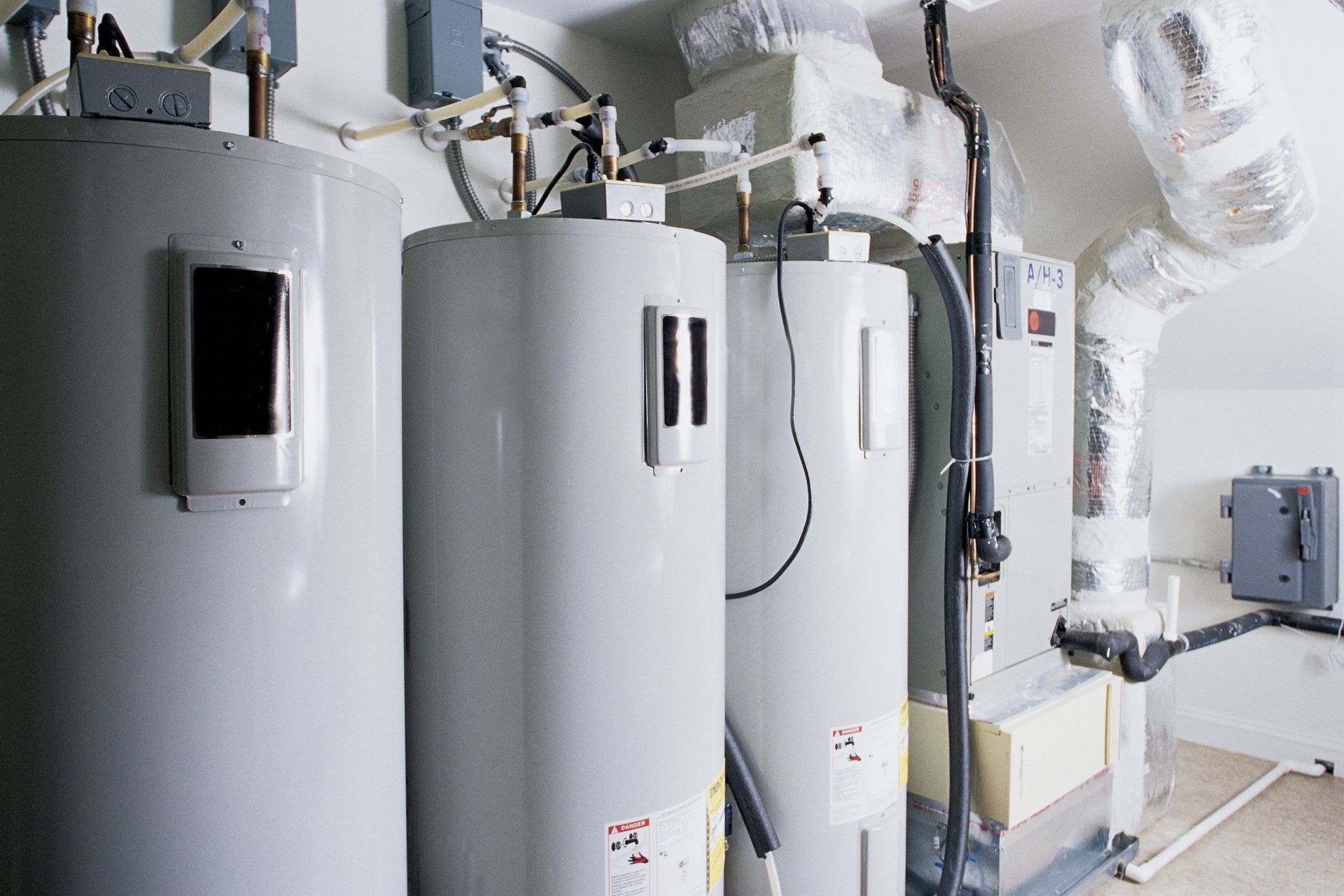
In this article, we explore the critical indicators that you may need water heater repair. Recognizing these signs early can save you from unexpected cold showers and costly damages. Water heaters are a crucial component of household infrastructure, ensuring the availability of hot water for daily needs. Neglecting the health of your water heater can lead to prolonged service interruptions, potentially affecting your quality of life. By understanding and identifying the signals of a failing water heater, you can take proactive measures to maintain a comfortable home environment.
1. Inconsistent Water Temperature
One common sign that your water heater requires repair is inconsistent water temperature. This fluctuation can be frustrating, especially during periods of high demand. Various factors contribute to this issue, such as a malfunctioning thermostat, which may inaccurately read and control the water temperature. Additionally, sediment build-up at the bottom of the tank can also disrupt the heating process, causing inconsistent water temperatures. Addressing these issues promptly can prevent further complications and ensure a steady supply of hot water.
Thermostat malfunctions often result from age-related wear or electronic control issues. When the thermostat fails, it may cause the water to be hotter or colder than desired. It's essential to have a professional evaluate the thermostat's condition and replace it if necessary to ensure reliable water temperatures. Regular inspections and timely replacements can prevent the high costs associated with persistent temperature fluctuations. Seemingly minor temperature issues can significantly impact daily routines and appliance longevity.
Sediment build-up is another cause of inconsistent water temperature. As water is heated, minerals precipitate and settle at the bottom of the tank, insulating the water from the heat source. This results in slower heating cycles and inconsistent temperature delivery. Flushing the tank regularly can help reduce sediment accumulation and maintain consistent temperatures. When routine maintenance is neglected, it might result in more severe issues, requiring professional intervention.
2. Unusual Noises Coming from the Heater
Unusual noises emanating from your water heater are a reliable indication of potential problems. These noises may range from popping and crackling sounds to rumbling noises. Most commonly, these sounds are the result of sediment build-up at the bottom of the tank. As water heats and boils around these sediments, they make popping noises. Addressing these noises early can prevent further issues and extend the heater's lifespan.
Popping and crackling sounds often occur because of trapped moisture within layers of sediment at the tank's bottom. Boiling around these layers generates steam bubbles that produce these distinct noises. Regular flushing of your water heater tank can drastically reduce these sediments and alleviate these sounds. Ensuring your heater remains sediment-free can avoid the energy inefficiencies and structural stresses caused by sediment accumulation. Maintenance at regular intervals is key to preserving optimal water heater function.
In contrast, a rumbling noise may indicate a more severe sediment problem, causing further agitation of water. As steam builds among the sediments, pressure increases and creates rumbling sounds. Components such as the heating element or even the anode rod might be affected by this agitation. Additionally, vibrations might cause these parts to loosen over time, leading to leaks. Professional assessment is crucial when such noises persist, ensuring effective and timely solutions.
3. Reduced Hot Water Supply
When you notice a decline in the hot water supply, it's often a telltale sign that your water heater might need repair. Over time, heaters can lose efficiency due to component wear or sediment build-up, leading to reduced capacity. Tanks slowly begin to store less hot water than their designed capacity, providing fewer gallons than expected. This can vastly impact daily activities, especially in larger households. Regular efficiency checks are essential in determining whether maintenance or replacement is warranted.
Sediments play a significant role in reducing water volume efficiency. They can build up at the bottom of the tank, reducing the space available for hot water storage. Over time, these sediments can calcify, shrinking the tank's effective capacity and limiting output. In such cases, a thorough flush or more intensive maintenance may be necessary. Regular inspections are crucial for identifying sediment-related problems early on, minimizing their impact on your water heater.
When diagnosing a reduced hot water supply, it's important to consider the potential for element burnout. Heating elements, essential in electric water heaters, may wear out and fail to effectively warm the water. Determining whether to repair or replace a worn element requires professional evaluation. According to Home Guide, consider a new water heater if your unit is over ten years old or repair costs exceed 50% of replacement costs. Deciding between repair and replacement involves careful assessment of your heater's age, condition, and future needs.
4. Discolored or Rusty Water
Discolored or rusty water can indicate corrosion within your water heater, suggesting the need for immediate repair. Rusty water is often a sign of internal tank corrosion, potentially compromising water quality. Corrosion degradation primarily poses health risks, as these metals may infiltrate your water supply. Regular maintenance, including inspections of the anode rod, is vital in preventing corrosion and maintaining clear water. Addressing discolored water early can prevent more extensive plumbing issues and prolong your heater's life.
The anode rod plays a crucial role in protecting your tank from rust. It sacrifices itself to corrosion, preventing the tank walls from deteriorating. Over time, the anode rod degrades and requires timely replacement to maintain its protective function. Periodic inspection and replacement of the anode rod can significantly extend the service life of your water heater. Failure to maintain the anode rod can lead to accelerated internal corrosion and costly repairs.
Addressing signs of internal tank corrosion is essential for maintaining water quality. Corroded tanks can leak and cause water contamination, posing health hazards. A professional evaluation can determine the severity of corrosion and recommend appropriate steps, from replacing the anode rod to replacing the entire unit. If the corrosion is advanced, replacing the water heater may be the most viable option. Regular inspection and preventive maintenance help avoid the detrimental impact of corrosion on water quality.
5. Water Leakage Around the Heater
Water leakage around your heater is a clear indication that immediate repair is needed. Leaks can originate from several sources, such as faulty connections, corroded fittings, or pressure-valve malfunctions. Detecting these leaks early prevents extensive water damage and the potential growth of mold and mildew. Regular inspection of these components can prevent leaks and minimize repair costs. Ignoring leaks might necessitate more significant repairs and lead to costly renovations.
Identifying faulty connections often requires a close inspection of the pipes and fittings. Over time, connections can loosen or degrade, leading to minor leaks that worsen over time. Tightening or replacing fittings periodically ensures a secure and leak-free water heater operation. Regular maintenance and checking for signs of wear and tear are crucial in preventing these leaks. Leak prevention is essential for maintaining efficient water heater performance and reducing unnecessary costs.
Pressure-valve malfunctions can contribute significantly to water heater leaks, compromising its structural integrity. These valves regulate water pressure and heat, preventing tank rupture or overheating. If a pressure valve fails, it can lead to tank fraying and water leakage. Professional assessment and maintenance of the pressure valve are crucial to ensuring safe and efficient water heater operation. Addressing and repairing these issues promptly prevents their escalation into more severe complications.
Understanding the signs that you need water heater repair can prevent service interruptions and maintain household comfort. Timely intervention and routine maintenance extend the water heater lifespan and ensure access to reliable hot water. From addressing inconsistent temperatures and unusual noises to dealing with reduced hot water supply and leaks, these signs are crucial indicators of potential problems. Regular inspections, especially of gas and electrical components, enhance operational efficiency, safety, and peace of mind. An informed strategy for repair and replacement decisions ultimately safeguards your home and investment in comfort. If you believe your water heater needs maintenance or repair, reach out to our team at M & M Plumbing Inc today!